|
|
 |
|
 |
|||
|
||||||||||||
| ALL ABOUT BLUE MARLIN | |
| By Redacción | |
|
|
|
|
 |
|
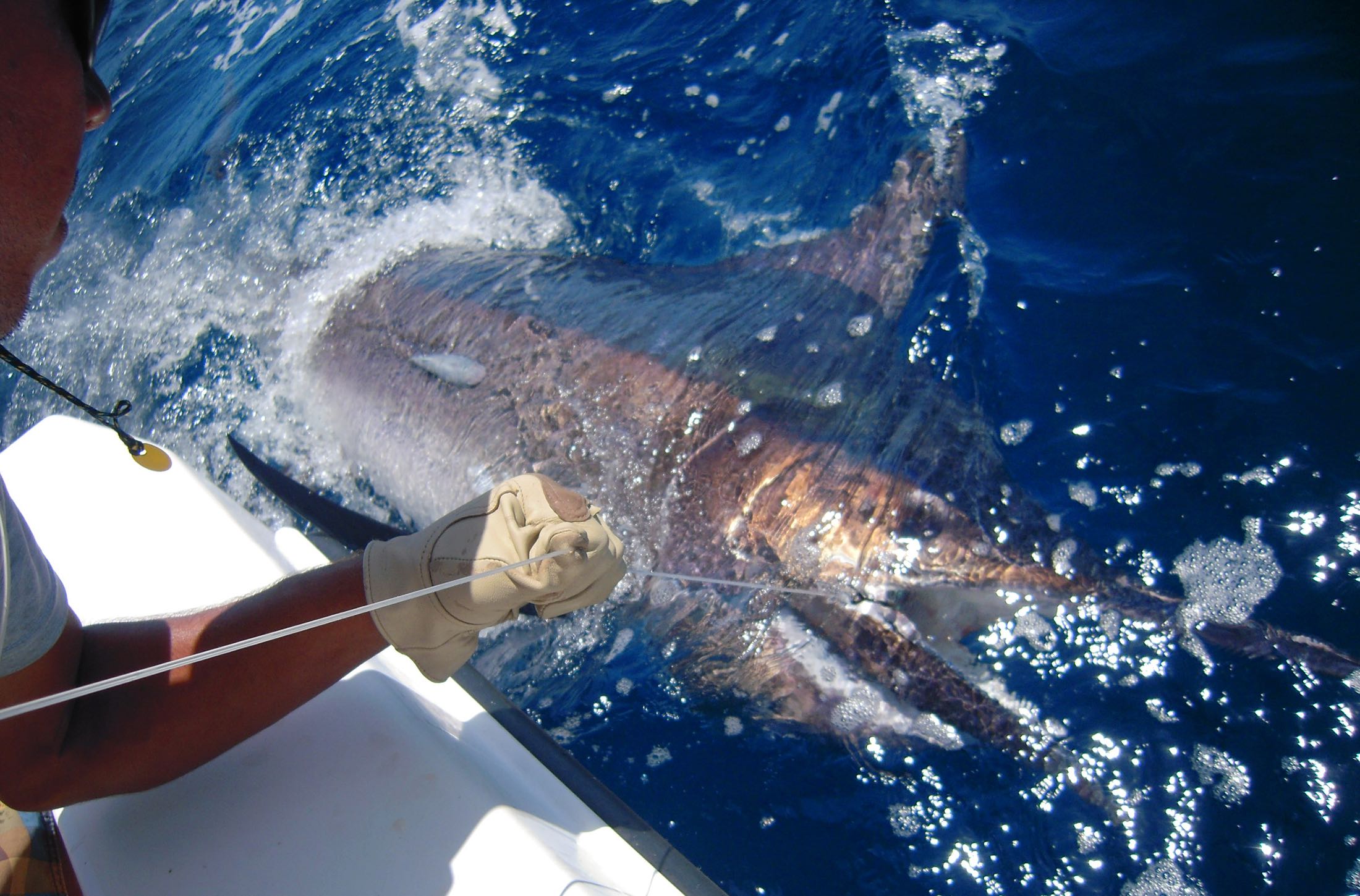
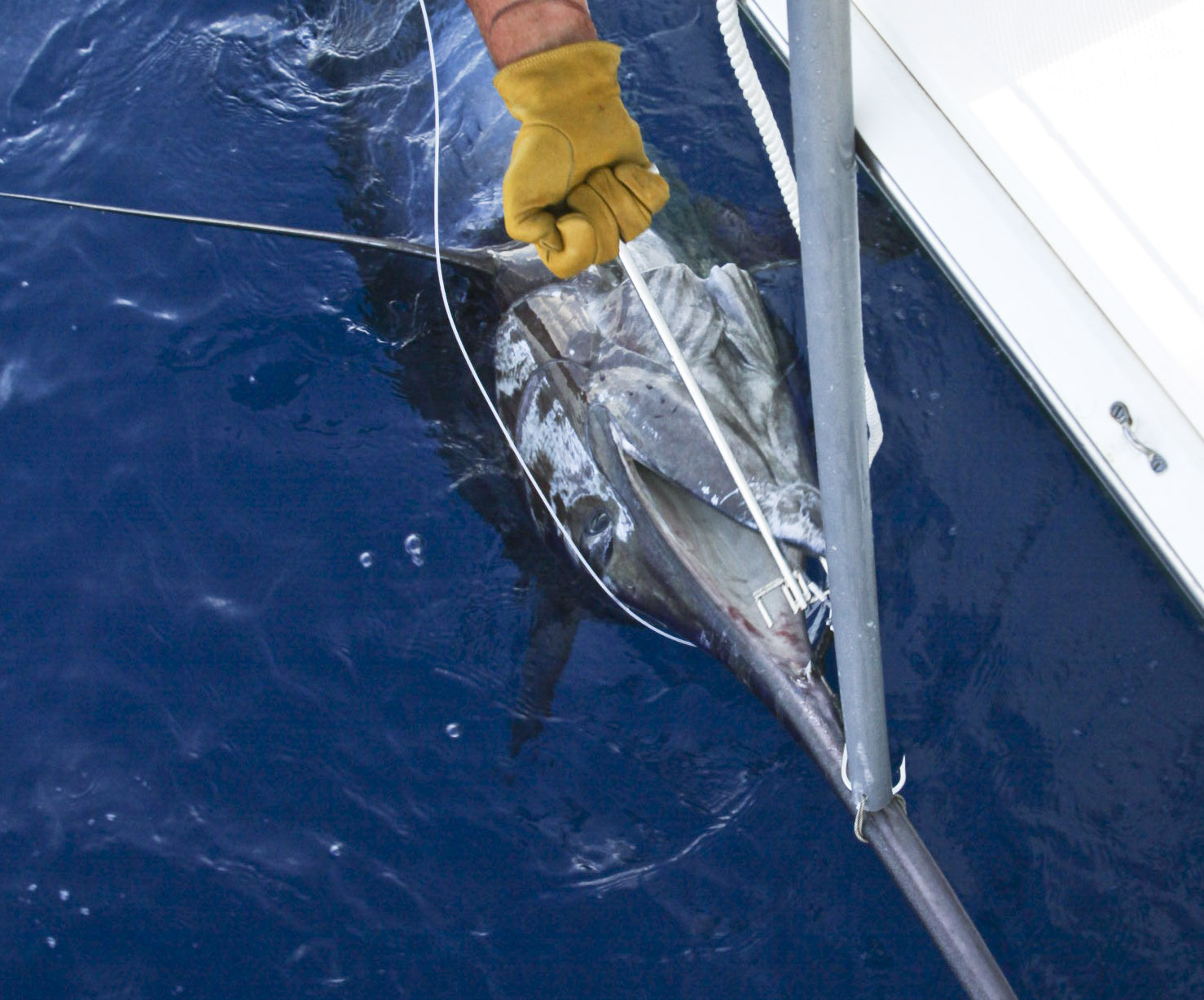
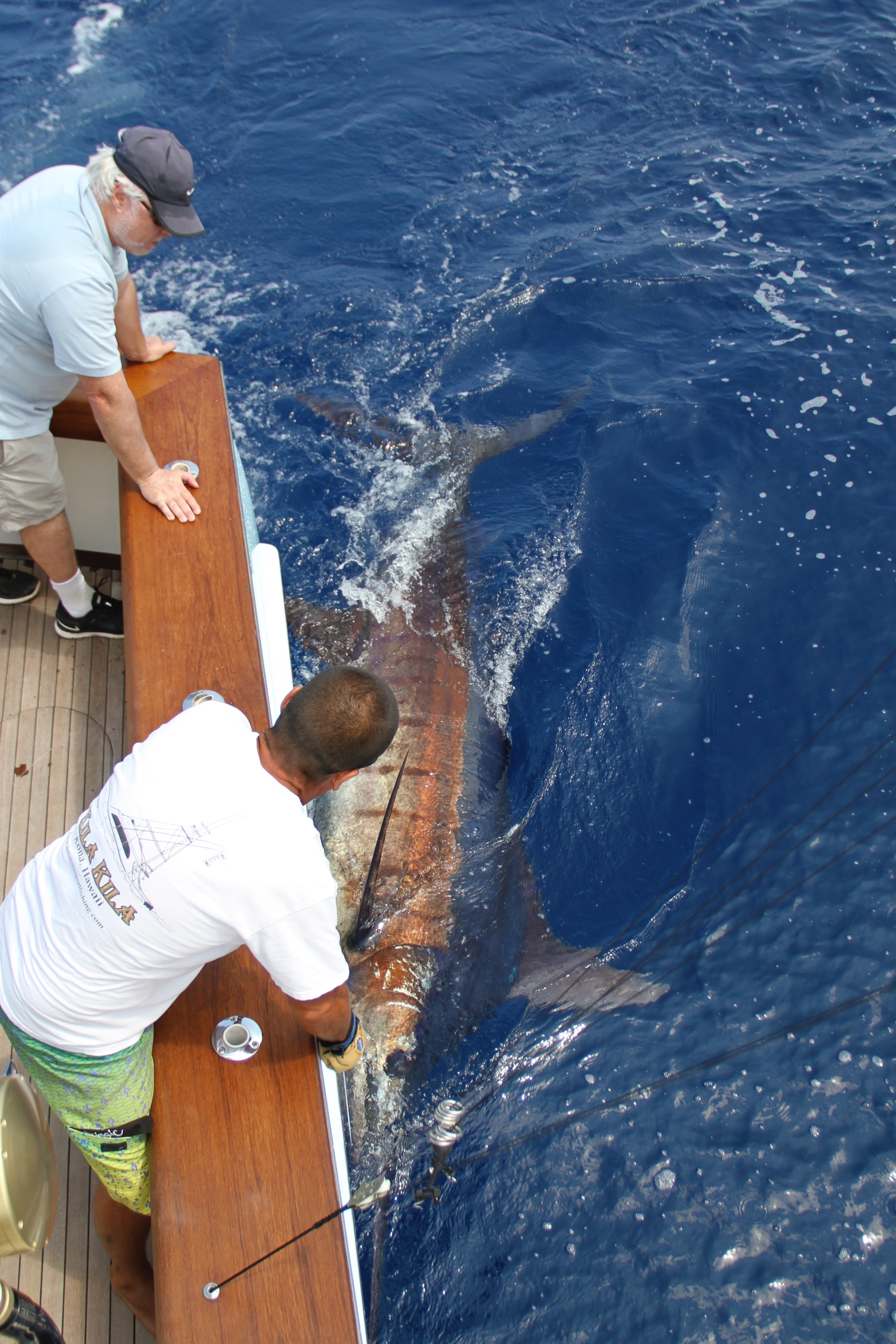
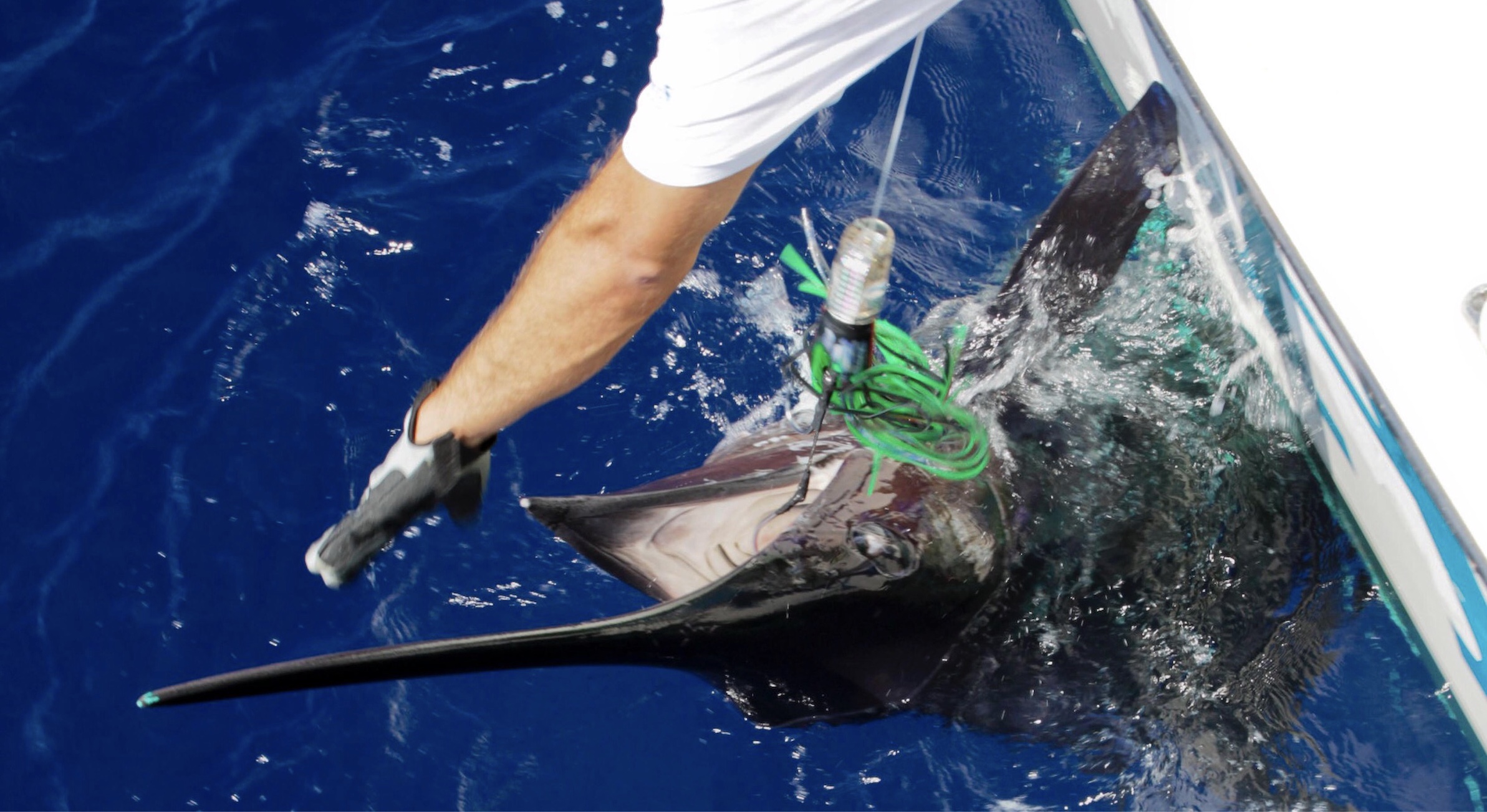
We can identify two types of blue marlin, the Atlantic and the Pacific. Both are very similar, the only difference lies in size. The largest, it seems, are in the Pacific Ocean. On the other hand, IGFA -International Game Fish Association- considers that it is the same, although it takes into account the world records of the two blue marlin categories, the Pacific and the Atlantic. Those from the Indian Ocean are classified in the Pacific category. Blue marlin is the least abundant of all marlins and is not always easy to find, especially in the Pacific In general, blue marlin that are fished out of season are less numerous, but often of larger sizes. For example, in Mauritius, in the month of August they approach 1000 pounds and, in Hawaii, one of 1656 pounds was caught in March 1984. PACIFIC BLUE MARLIN Generally found in the warm waters of the equatorial regions, moving away from the equator in summer and returning in winter. Apparently, its migration depends more on temperature than with black marlins. In order to live they need depth, that is why it is not easy to find them near the coasts except in places like Hawaii or Canary Islands, where very near the coast there are great depths that allow them to swim comfortably. Longliners have sometimes caught 2,000 pound marlins, but the largest caught in sport fishing weighed 1,805 pounds in Hawaii, although it was not certified by IGFA, as it was not caught by a single fisherman, but by several who took turns in combat. Marlins over 300 pounds are usually females. The blue marlin feeds on skipjacks, bigeye and yellowfin tuna, all of which can reach up to 150 pounds, so it is common to find them swimming among the tuna banks. Blue marlin feed both in depth and on the surface and sometimes small swordfish have been found in their stomachs. The first blue marlin caught with a rod and reel weighed 1040 pounds and was caught by the famous writer Zane Grey. When to get blue marlin in the Pacific:
Like the Pacific, the blue marlin of the Atlantic also prefers warm waters that do not exceed 30 º C. They are found in the deep waters of the Virgin Islands, Bahamas, Gulf of Mexico, Caribbean Sea and West African Coast off the Gulf of Guinea. The best concentrations are found in the northern part of Cuba and the western edge of the Bahamas Islands, smaller in proportion to the blue marlin of the Pacific, its average weight ranges between 300 and 400 pounds, although sometimes can exceed 1000 pounds. Some fishermen certify to have seen them weighing 1500 pounds; the largest are found on the longest migratory routes such as Venezuela, Brazil and the west coast of Africa. The average weight of marlins caught in the Gulf of Guinea (Abidjan) is around 600 pounds, almost double the overall average. They generally do not move in schools, but in the mating season they go in pairs, male and female. Their migration can be very long, the best known is that of the Virgin Islands to the Gulf of Guinea, crossing the entire Atlantic, turning around during the same year. This could be demonstrated thanks to the tagging of the fish. It is believed that they reproduce throughout the year, but no study so far can confirm it. Mating occurs in July and August in Puerto Rico; the Virgin Islands would be a meeting place before migration begins; in the Gulf of Mexico mating is in July and August and both Brazil and Bermuda are also mating areas. On the islands of Sao Tome and Principe, opposite Gabon - in the middle of the Gulf of Guinea - is another mating area and they would possibly stay longer than estimated, to release the eggs. Fishing months:
|
|
|
|
FAST TROLLING WITH LURES
|
|
 |
|
|
|
|
|
SLOW TROLLING WITH NATURAL BAIT |
|
 |
|
 |
|
 |
|
 |
|
 |
|
 |
|
 |
|
 |
|
|
||||||||||||||||||||||||||||||||||||||||||||||||||||||||||||